Sugarcane Cultivation in Punjab: Government Policies, Pricing, and New Reforms

Syed Hamza Ali
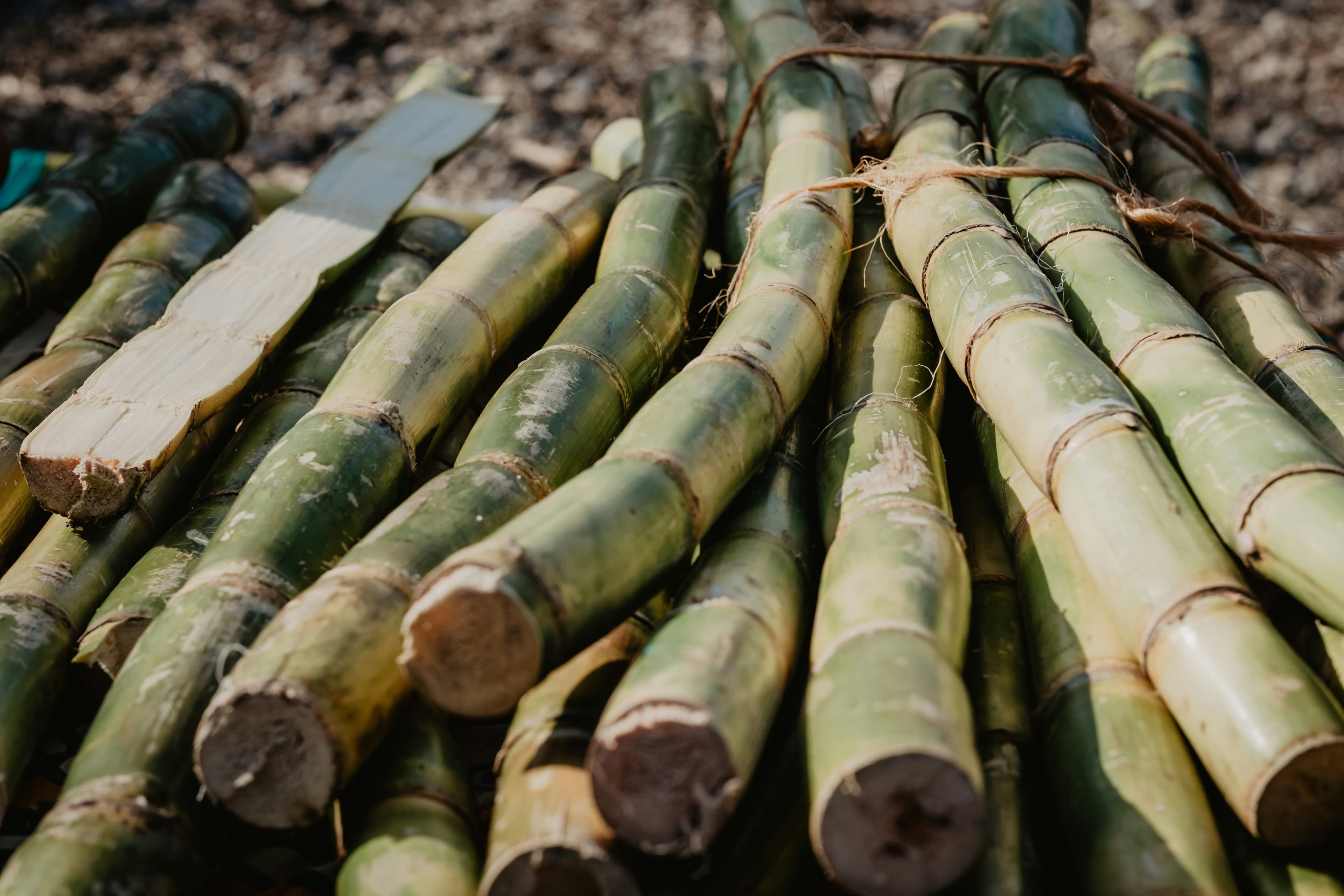
Sugarcane Cultivation in Punjab: Government Policies, Pricing, and New Reforms
Introduction: Punjab’s Role in Sugarcane Production
Punjab is the undisputed leader when it comes to Pakistan’s sugarcane, contributing over 65% of the country’s total production. For decades, the province has served as the primary contributor to the nation’s sugar mills, a sector dominated by a powerful nexus of industrial and political interests. However, this dominance has often come at a cost to the primary producer and the economy.
A few politicians own sugar mills, while the rest of the millers have close relationships with the political elite, creating a win-win situation for those who are responsible for sugar shortages despite the availability of surplus quantities in the country. This structural imbalance has historically left the Ganna (sugarcane) grower vulnerable. While sugar mills in Punjab report profits, the smallholder farmer, cultivating varieties like HSF-240 or Coimbatore-71 (CO-71), often struggles to break even. The narrative of Punjab’s agriculture is incomplete without addressing this disparity, where the sweetener on the table often masks the bitterness in the fields.
Sugary Policies
Historically, the sugarcane sector was governed by the Sugar Factories Control Act of 1950, a piece of legislation that, while well-intentioned, became outdated over time. Past policies relied heavily on the "zone system," where farmers were bound to sell their produce to specific mills within their geographical zone. This lack of competition effectively held farmers captive.
Government intervention was largely limited to setting an indicative price, but enforcement was weak. The Pakistan Sugar Mills Association (PSMA) held significant sway, often dictating terms that favored the industrialist over the agriculturist. The "guaranteed" support price was frequently ignored, with mills devising various mechanisms to undercut the official rate, leaving the government as a silent spectator to market manipulation.
Issues and Weaknesses
The weaknesses in the old policy framework were systemic and exploitative.
- Lack of Enforcement: The government would announce a support price, but there was no robust mechanism to ensure mills actually paid it.
- The Middleman Menace: A "decades-old culture of delay in payments" forced cash-strapped farmers to sell their standing crops to middlemen (arthis) at significantly lower rates. These middlemen, often funded by the mills themselves, acted as "shadowy conductors," purchasing cane at rock-bottom prices and selling it to mills at the official rate, pocketing the difference.
- Unregulated Deductions: Mills would frequently make "unjustified reductions" in weight, citing high moisture content or trash, further eroding the farmer's income.
- Off-the-Books Purchasing: A significant volume of cane was purchased "off-the-books" (without official receipts), allowing mills to evade taxes and hide actual sugar production figures, contributing to artificial shortages and price hikes for Chini (sugar) and White Sugar in the retail market
Current Policies and Reforms
Recognizing these deep-rooted issues, the Punjab government has introduced a series of reforms, primarily anchored in the Sugar Factories (Control) Amendment Act 2021 and subsequent rigorous enforcement in the 2024-25 season. The shift is from passive regulation to active intervention.
The new policy framework focuses on deregulation of the market structure while strictly regulating the conduct of the market players. The government has empowered the Cane Commissioner of Punjab with greater authority to audit mills, check weighing scales, and enforce payment timelines. The goal is to break the monopoly of the millers and the grip of the District Cane Managers (DCM) associated with them.
Support Price (MSP): Then vs Now
The Minimum Support Price (MSP) has been the central battleground of the sugar industry.
- Then: In previous years, the support price often lagged behind inflation. For instance, prices hovered around Rs 180-200 per 40 kg for years, failing to cover the rising costs of diesel and fertilizer.
- Now: For the 2024-25 season, the Punjab government notified a support price of Rs 400 per 40 kg, a significant increase from the past, though still a point of contention.
Crushing Season Management: Old Practices vs New Enforcement
Timeliness is critical in sugarcane farming. The crop loses weight (and sucrose content) if left standing too long after maturity.
- Old Practices: Mills would deliberately delay the start of the crushing season. This tactic exerted pressure on farmers, who need to clear their fields for the wheat crop. Desperate farmers would then sell their cane at throwaway prices just to empty their lands.
- New Enforcement: The Punjab government, through the Sugar Advisory Board, firmly set the crushing season start date to November 15, 2025. This year, the government has threatened strict legal action, including heavy fines and arrests, for any mill that delays operations. This "forced start" is a crucial intervention to protect the farmer's bargaining power.
Digital Cane Management System: A Shift Toward Transparency
Perhaps the most transformative reform is the digitization of the supply chain. The Punjab Information Technology Board (PITB) has developed a Sugar Inventory System and digital monitoring tools to replace the opaque paper-based systems of the past.
- Digital CPRs: The traditional paper Cane Purchase Receipt (CPR) was easily forged or destroyed. The new system mandates the digital entry of cane procurement. When a farmer brings his trolley to the weighbridge, the weight is recorded digitally, and a computerized CPR is generated.
- Transparency: This system links the mill’s procurement data directly with the Cane Commissioner’s office. It prevents mills from under-reporting their intake (to evade taxes) and ensures that the farmer’s supply is officially recorded for payment claims. This reduces the "shadowy" space where middlemen previously thrived.
Market Regulation and Action Against Sugar Mills
The government has moved beyond polite requests to direct action. The 2024-25 season has seen a crackdown on mills and middlemen engaging in illegal practices.
- Crackdown on Middlemen: The Cane Commissioner launched a province-wide operation against illegal weighbridges and unlicensed purchasing agents." Without middlemen, the farmers cannot take their crop to the mills," argued proponents like Raja Tariq, but the state views them as parasites on the rural economy.
- Arrests and Fines: FIRs have been registered against mill management for tampering with weighing scales and making illegal deductions. Specific mills, such as Madina Sugar Mills and Sheikhoo Sugar Mills, have faced scrutiny under these new tougher regulations to ensure compliance with the law.
Conclusion
The Punjab government is attempting to reshape the industry by replacing "feudal" market practices with "digital" regulation. By enforcing a timely crushing season, mandating digital payments, and cracking down on the middleman mafia, the state is trying to level the playing field. However, the true measure of success will be when the small farmer, not just the mill owner, tastes the sweetness of the sugar price in Pakistan. Until the "soaring input costs" are addressed and the "shadowy conductors" are fully removed, the reform agenda remains a work in progress.