Shortfall Promises, Long-Term Delays: Pakistan’s Wheat Market Crisis

Haseeb Ahmed Khan
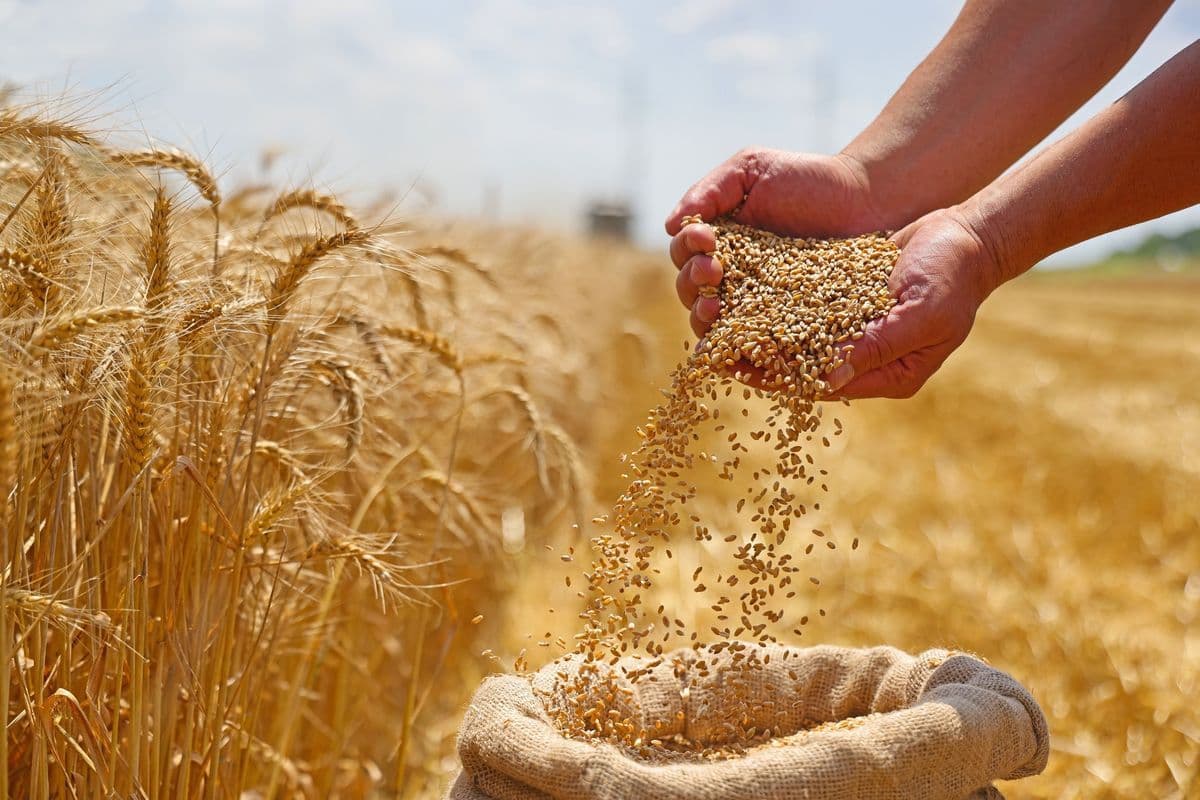
Shortfall Promises, Long-Term Delays: Pakistan’s Wheat Market Crisis
Introduction: Wheat Season Begins with Uncertainty
As Pakistan enters the 2025–26 wheat sowing season, the country faces a mixture of hope and uncertainty. Wheat, the backbone of Pakistan’s food system, is essential for producing wheat flour (atta) for millions of households daily. Despite government promises and announced support packages, farmers and consumers are encountering rising input costs, delayed subsidies, and logistical inefficiencies that threaten food security in Pakistan.
Farmers are particularly vulnerable. With soaring costs of fertiliser, diesel, labour, and certified wheat seed, the government’s support price of Rs 3,500 per 40kg is often insufficient to cover expenses (Geo News). Many small-scale growers are considering switching to alternative crops with faster returns, risking a significant drop in national wheat production. If this continues, it will directly impact wheat price in Pakistan, wheat rate today, and the prices of atta 8070, sunridge atta, and multigrain atta.
Sowing Season Starts — But with Concerns
Punjab aims to cultivate 16.5 million acres of wheat this season, with around 3 million acres already sown. While officials report favourable soil conditions and adequate rainfall, a Dawn News report indicates a 6.5% decrease in wheat cultivation area compared to last year.
Farmers face numerous challenges: uneven access to certified wheat seed, high fertiliser costs, and bureaucratic delays in subsidy delivery. Many districts still report the circulation of uncertified or mixed-quality seeds, which reduces yield potential. This combination threatens both sowing targets and the stability of Pakistan’s wheat supply in the coming months.
Government Support Price — Not Enough for Farmers
The federal government has set the wheat support price at Rs 3,500 per 40kg to encourage cultivation and protect farmer income (Geo News). Sindh announced a Rs 58 billion Wheat Growers Support Package, offering fertiliser subsidies and cash assistance to farmers with up to 25 acres of land (The News).
However, rising costs of inputs such as fertiliser, diesel, labour, and quality seed make the support price insufficient. Shrinking margins have prompted some farmers to consider cultivating alternative crops, which could reduce national wheat output and destabilize wheat price in Pakistan further.
Delayed Subsidies and Delivery Challenges
Although support packages are announced, delivery is often delayed. Many farmers report late arrival of fertiliser and financial support, causing them to miss critical sowing windows (Express Tribune). Short delays in input distribution can reduce yields by 20–30%.
Inter-provincial disputes exacerbate the problem. Sindh has accused Punjab-based suppliers of delaying certified wheat seed shipments, threatening sowing targets in multiple districts (Profit Pakistan Today). Such systemic delays, combined with rising input costs, risk reducing national wheat production and increasing wheat rate in Pakistan.
Impact on Consumers — Rising Prices of Wheat & Atta
Lower wheat output will directly affect the consumer market. As supply tightens, the wheat price today and costs of flour, including atta 8070, sunridge atta, and multigrain atta, will increase. This impacts low- and middle-income households the most.
- Higher wheat rate in Pakistan
- More expensive wheat flour and atta products
- Increased food inflation
- Pressure on foreign reserves if wheat imports are required
Actions Required to Stabilize the Market
To prevent a crisis, the government must:
- Fast-track fertiliser and seed distribution
- Ensure timely payment of support price
- Prevent hoarding and black-market activities
- Coordinate inter-provincial seed supply efficiently
- Strengthen Kissan Card application and access
- Maintain accurate wheat stock and sowing data
Implementing these steps will stabilize wheat prices, support farmers, and safeguard food security in Pakistan.
Conclusion
The 2025–26 wheat sowing season began with hope, but challenges are significant. Rising input costs, delayed subsidies, inconsistent policies, and logistical issues threaten Pakistan’s wheat market. Immediate and coordinated action is necessary to prevent higher wheat prices, expensive atta, and weakened national food security. Turning promises into tangible action is essential to protect both farmers and consumers and avoid repeating past crises.