Pakistan’s Feed Raw-Material Crisis 2024–2025: Impacts on Poultry Farms, Egg Factories & Livestock

Haseeb Ahmed Khan
Pakistan’s Feed Raw-Material Crisis 2024–2025: Impacts on Poultry Farms, Egg Factories & Livestock
Introduction
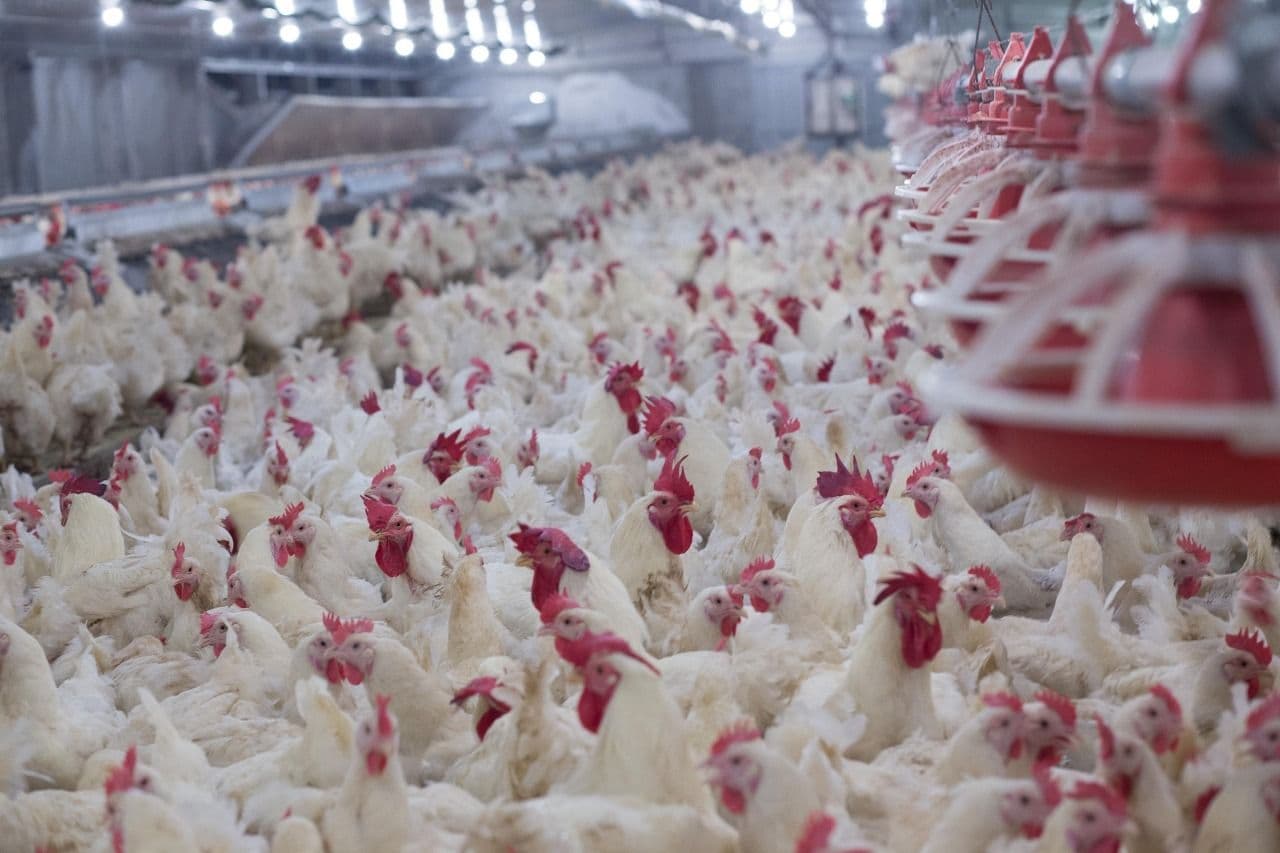
Pakistan’s poultry farming and livestock sectors faced a major feed raw-material crisis in 2024–2025, driven by import restrictions, rising maize prices, wheat-feed bans, and domestic crop shortages. These disruptions severely impacted poultry farms, egg factories, and chicken farming in Pakistan, threatening national food security and intensifying production costs. Early warnings were highlighted in global assessments such as the FAO report.
2024: Early Warnings — Import Constraints & Crop Stress
In 2024, feed mills reported acute shortages of soybean meal, premixes, and amino acids due to delayed Letters of Credit and high import duties. According to the FAO’s agriculture insights, domestic maize production was also hit by heatwaves and irregular rainfall, shrinking the feed raw-material supply for poultry farming in Pakistan.This shortage increased feed prices across both small and large poultry farms, pressuring the entire poultry businesses in Pakistan.
2025: Maize Price Surge & Rising Feed Costs
By mid-2025, maize prices in Punjab surged from Rs 2,200 to Rs 3,600 per maund, heavily impacting chicken farming in Pakistan and forcing egg factories to ration feed.A detailed price analysis published in Business Recorder confirms that feed mills struggled to maintain quality, raising production costs and threatening profitability for poultry farm operators nationwide.
September 2025: Wheat Ban — Additional Pressure on Feed Mills
In September 2025, the Punjab government banned wheat usage in animal feed to secure flour supplies for human consumption. This decision eliminated one of the few alternative feed options for poultry farms and egg factories.Coverage from DAWN News and The Express Tribune shows how the wheat ban collided with soaring maize prices, escalating feed costs across poultry businesses in Pakistan.
Export vs Domestic Supply Conflict
Despite domestic shortages, exports of fishmeal and other feed ingredients continued. This created friction for poultry farms in Sindh and Baluchistan and influenced daily Sindh Baluchistan poultry farm rate fluctuations.The FAO global feed market analysis indicates that prioritizing exports during domestic shortages worsens feed availability for chicken farms and egg factories.
Impact on Poultry, Egg Factories & National Food Security
Feed accounts for 60–70% of production costs in poultry farms. Rising feed prices forced many chicken farms and hen farming in Pakistan operations to scale down or shut down entirely.This reduced meat and egg availability, while dairy producers—due to cost pressure—reduced concentrate feed, weakening milk yield and quality.According to FAO’s livestock security brief, this has placed Pakistan’s protein supply under significant stress.
Government Response & Budget Allocation (2025–26)
The federal government allocated Rs 400 billion for agricultural and livestock development in the 2025–26 budget. The official Pakistan Finance Division outlines investments in irrigation, mechanization, seed quality, fertilizers, and agro-chemicals.While helpful in the long term, these measures do not immediately address the structural feed shortages faced by poultry farms and egg factories.
Looking Ahead: Recommendations for 2026
To stabilize poultry business in Pakistan and secure long-term protein availability, the following actions are recommended:
- Relax import restrictions on maize, soybean meal, and premixes
- Temporarily halt exports of critical feed ingredients
- Improve transparency of regional poultry farm rates in Sindh & Baluchistan
- Promote climate-resilient maize and hybrid seed adoption
- Create a National Feed Security Policy enabling emergency imports
These measures, supported by insights from FAO’s food security framework, can restore stability for small and medium poultry farms and ensure smooth supply of chicken and eggs.
Conclusion
Pakistan’s feed raw-material crisis (2024–2025) highlights structural policy gaps, import challenges, and climate-driven crop shocks. Immediate actions—such as relaxing imports, reviewing the wheat ban, and controlling feed ingredient exports—are essential to protect poultry farms, egg factories, and the broader Pakistan poultry sector. Targeted reforms can secure affordable protein supply and strengthen national food security.